NovaLinx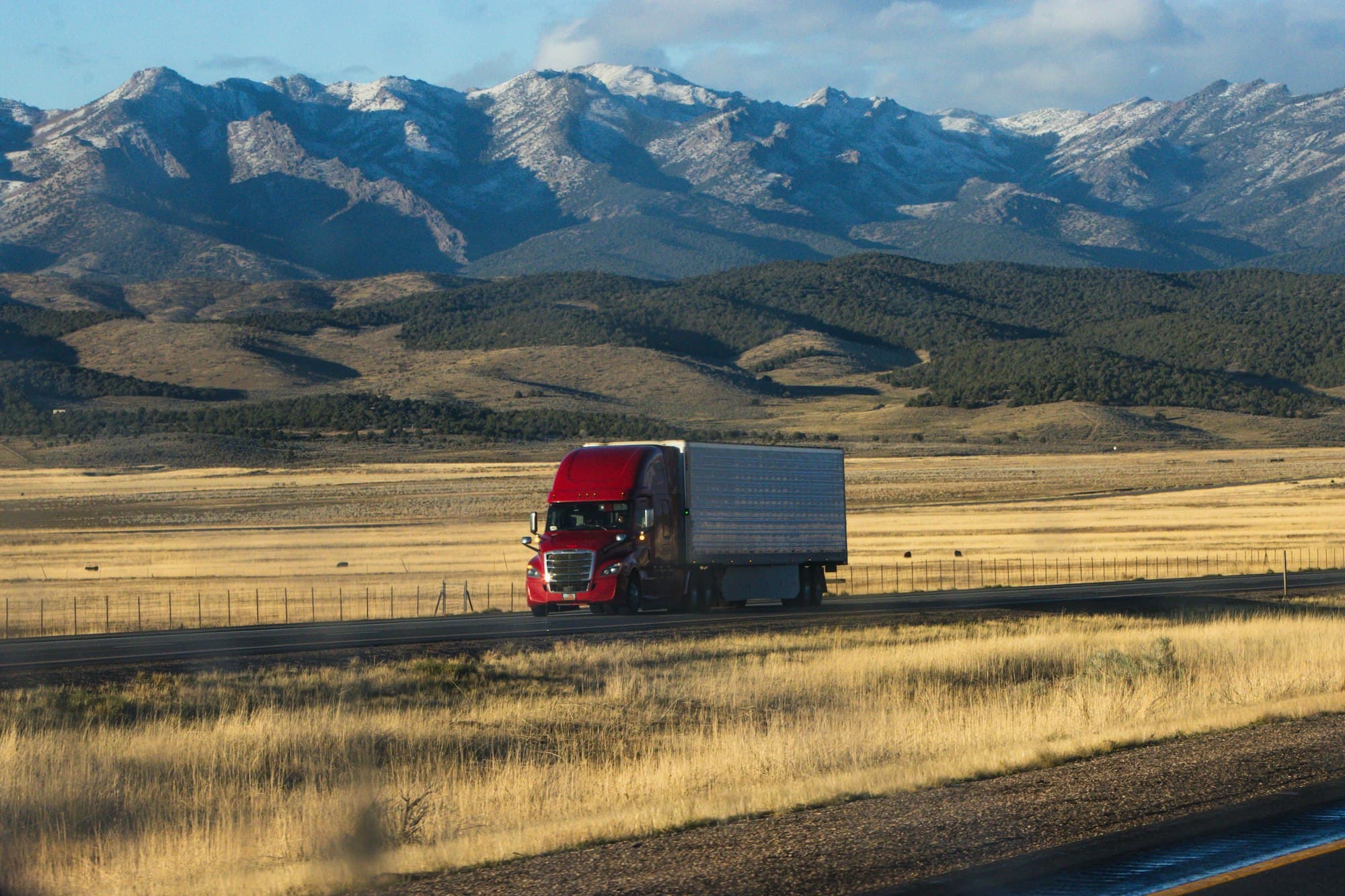
OTR (over the road) drivers run long distances and stay out 2 to 3 weeks at a time for the highest mileage, regional drivers stay within a multi-state area and usually get home weekly, and local drivers work a set area and go home every day. Pay can be similar across all three, so the real difference is home time, schedule, and the kind of work you do.
Here is how they compare, and how to decide which one fits you.
Key takeaways
- OTR: most miles, least home time, easiest to get hired with a new CDL.
- Regional: a middle ground with home time weekly or on weekends and competitive pay.
- Local: home daily, usually hourly pay, more physical work, and often requires experience.
- Pay ranges overlap. Compare weekly miles or hours, not just the rate.
- Many drivers start OTR for 6 to 12 months, then move to regional or local.
OTR vs regional vs local: side-by-side comparison
| Factor | OTR | Regional | Local |
|---|---|---|---|
| Typical area | Nationwide, often coast to coast | Several neighboring states | One metro area or within about 150 miles |
| Home time | About 2 to 4 days every 2 to 3 weeks | Weekly, often 34 or more hours on weekends | Daily |
| Typical annual pay (company driver) | About $55,000 to $85,000 | About $60,000 to $85,000 | About $50,000 to $80,000 |
| Typical pay structure | Cents per mile | Cents per mile, sometimes stop pay | Hourly, sometimes with overtime |
| Weekly miles | Often 2,000 to 3,000 | Often 1,800 to 2,500 | Varies, fewer miles and more stops |
| Where you sleep | In the truck | In the truck during the week | At home |
| Physical work | Mostly driving | Mostly driving, some unloading | Often more loading, unloading, and backing |
| Hiring new CDL drivers | Most common | Common | Less common |
All pay figures are typical, approximate ranges for company drivers and vary by carrier, freight, and region. For current numbers in your area, check NovaLinx live pay insights.
What is OTR trucking?
Over the road drivers haul freight wherever it needs to go. A typical week might start in Georgia, deliver in Texas, reload for Arizona, and head north from there. You live in your truck for weeks at a time and follow the freight.
OTR pros
- Highest mileage potential. More miles usually means more pay under a per-mile structure.
- Easiest entry point. Many carriers that hire new drivers start them OTR.
- Fewer daily hassles. Long stretches of highway driving with fewer stops.
- See the country. For some drivers this is the main draw.
OTR cons
- Time away from home. Birthdays, school events, and weekends get missed.
- Health challenges. Irregular sleep, limited food options, and long sitting hours.
- Parking stress. Finding a safe spot at night can be tough, especially in the Northeast and near big cities.
- Hours of service limits shape your whole day. OTR drivers live by the 11-hour driving limit, the 14-hour window, and the 70-hour, 8-day cycle. See hours of service rules explained.
Who OTR fits best
OTR works well for new drivers building experience, drivers without kids at home, and people who want to maximize earnings for a season, such as paying off debt. It is also where most team driving jobs are.
What is regional trucking?
Regional drivers run a defined area, such as the Southeast, Midwest, or Northeast. They usually leave home early in the week, run loads within the region, and get back home for the weekend. Some regional jobs are dedicated to one customer, which makes routes more predictable.
Regional pros
- Regular home time. Weekly or weekend home time is the standard.
- Competitive pay. Carriers use regional jobs to keep experienced drivers, so pay is often close to or better than OTR.
- More familiar routes. You learn the roads, truck stops, and customers in your area.
- Better balance. Many drivers find it the best mix of pay and family time.
Regional cons
- Still nights away. You sleep in the truck most weeknights.
- Shorter loads. More loading and unloading appointments can mean more waiting.
- Fewer miles in some weeks. Short hauls and dock delays can cut into per-mile pay. Ask about detention and stop pay.
- Harder to get as a new driver. Some carriers want 6 to 12 months of experience.
Who regional fits best
Regional suits drivers with families who can handle weeknights away, experienced OTR drivers who want more home time without a big pay cut, and anyone who likes routine.
What is local trucking?
Local drivers work in one area and go home every day. The work is varied: LTL pickup and delivery, food and beverage routes, fuel delivery, dump trucks, construction materials, port drayage, and yard jockey jobs all count as local.
Many local drivers qualify for the short-haul exception in the federal hours of service rules, which, among other conditions, applies when drivers stay within 150 air miles of their work location and return within 14 hours. That can mean simpler recordkeeping. See the FMCSA hours of service summary for the full conditions.
Local pros
- Home every night. Sleep in your own bed and keep a normal life.
- Hourly pay. You get paid for time spent waiting, loading, and in traffic, often with overtime.
- Predictable schedules. Many jobs have set start times and routes.
- Better health habits. Easier to eat well, exercise, and see a doctor.
Local cons
- More physical work. Some jobs involve hand-unloading, using liftgates, or pallet jacks.
- City driving. Tight docks, heavy traffic, and lots of backing.
- Early starts or night shifts. Many local routes begin well before sunrise.
- Experience requirements. Carriers often want 1 to 2 years for local tractor-trailer roles.
- Pay varies widely. A union LTL job and an entry-level delivery job can be tens of thousands of dollars apart.
Who local fits best
Local is the top choice for drivers with young kids, caregivers, drivers with health needs, and experienced drivers who are done with life on the road.
Which pays more: OTR, regional, or local?
There is no single answer, because the ranges overlap heavily. Here is how pay tends to work in each:
- OTR pay is driven by miles. A driver averaging 2,700 miles a week will earn much more than one averaging 1,900 miles at the same rate.
- Regional pay is often similar to OTR, and some carriers pay a higher per-mile rate to make up for shorter runs.
- Local pay depends on the hourly rate and the hours available. Fifty or more hours a week with overtime can match or beat many OTR jobs.
The best approach is to estimate a realistic week. For per-mile jobs, multiply the rate by average weekly miles. For hourly jobs, multiply the rate by typical weekly hours and add overtime. Then add benefits and bonuses. Our guide on how much truck drivers make covers the other factors, and truck driver pay structures explains how each pay method really works.
Dedicated routes and team driving
Two other options overlap with the three main categories:
- Dedicated routes serve one customer, such as a retail chain's distribution centers. They can be local, regional, or OTR, and often offer consistent miles, predictable home time, and sometimes a weekly pay minimum.
- Team driving pairs two drivers in one truck so it can keep moving nearly around the clock. Teams run mostly OTR, cover big weekly miles, and can earn a high combined income. It works best with a partner you trust, often a spouse or close friend.
How to choose between OTR, regional, and local jobs
Ask yourself these questions honestly:
- How often do I need to be home? If the answer is every night, focus on local. If weekends work, regional opens up.
- How much experience do I have? New drivers usually have the most options in OTR and some regional roles.
- Do I want to drive or work? OTR is mostly driving. Local often includes physical handling of freight.
- What are my money goals right now? A season of OTR or team driving can build savings fast.
- What does my family need? Talk it through before you commit, not after.
Once you know what you want, test the details with every carrier. Our list of questions to ask a trucking recruiter helps you pin down the real home time and miles, not just the ad copy. And if you are still early in your career, see the best trucking jobs for new CDL drivers.
A common career path
Many drivers follow a pattern like this:
- Months 1 to 12: OTR with a carrier that trains new drivers, building a clean record.
- Years 1 to 3: Move to regional or dedicated work for better home time and similar pay.
- Year 3 and beyond: Move into local, specialized freight like tanker or flatbed, or become an owner-operator.
There is no wrong path, and plenty of drivers stay OTR by choice because they enjoy it.
Find OTR, regional, and local jobs on NovaLinx
NovaLinx matches drivers to jobs based on what matters to them: home time, route type, and pay. You can browse CDL jobs and filter for OTR, regional, or local roles, see which carriers are hiring, and use the free NovaLinx app to apply on the go. Carriers with regional or local openings to fill can post jobs on NovaLinx.